
New here? Open any title for its story, choose your country and press Watch now.
DoraBash
165 Japanese cartoons for children: 91 films and 74 series, from picture-book heroes to magical girls, racing robots and classic stories.
Watch Now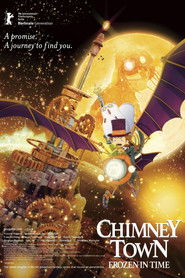
Popular Today
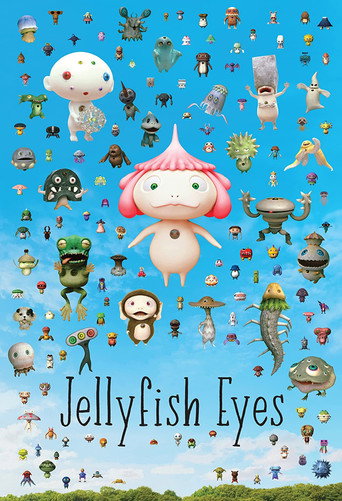 MovieJellyfish Eyes
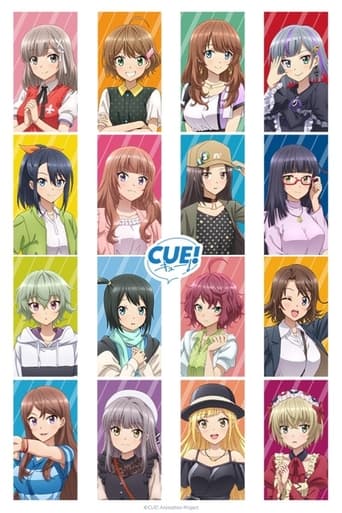 TVEp 24CUE!
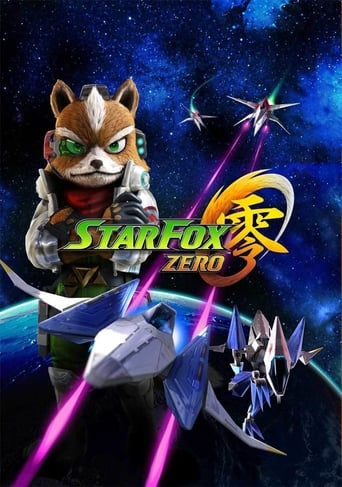 MovieStar Fox Zero: The Battle Begins
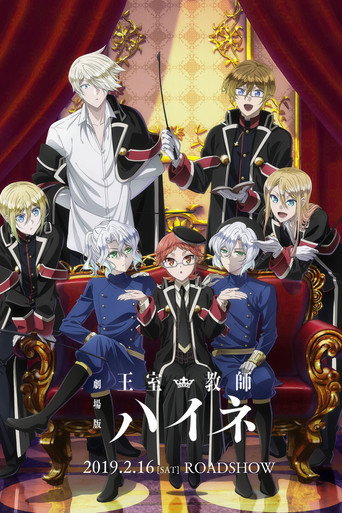 MovieThe Royal Tutor Movie
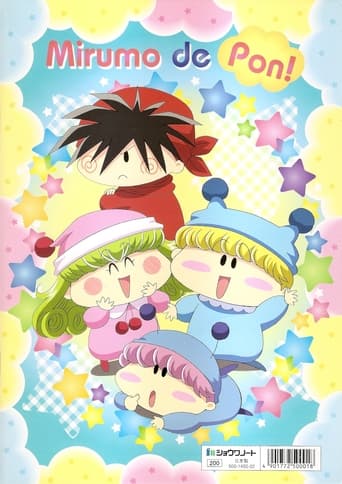 TVEp 172Mirmo Zibang!
 TVEp 28The Prince of Tennis II U-17 WORLD CUP
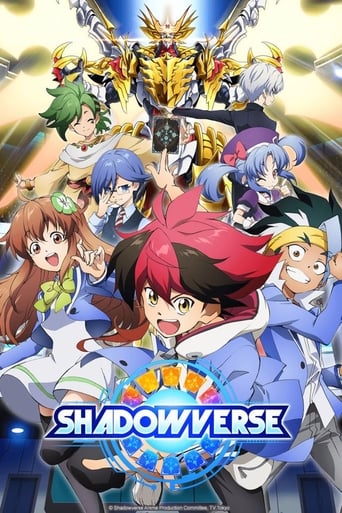 TVEp 146Shadowverse
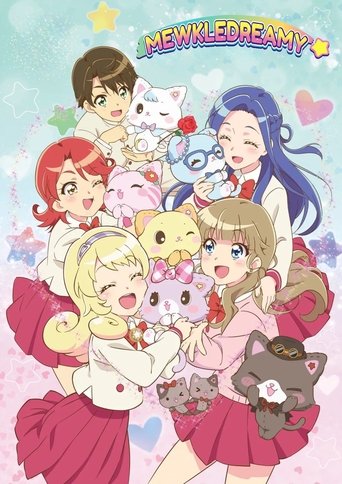 TVEp 98Mewkledreamy
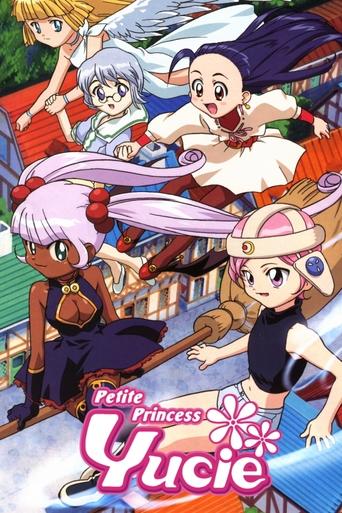 TVEp 26Petite Princess Yucie
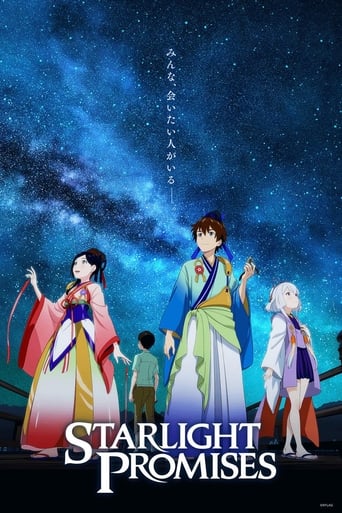 MovieStarlight Promises
Latest Release
View All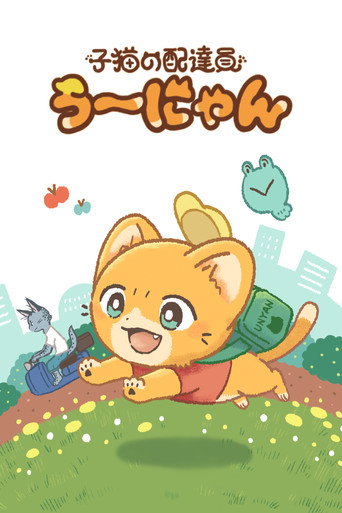 TVEp 3Delivery Kitten Unyan
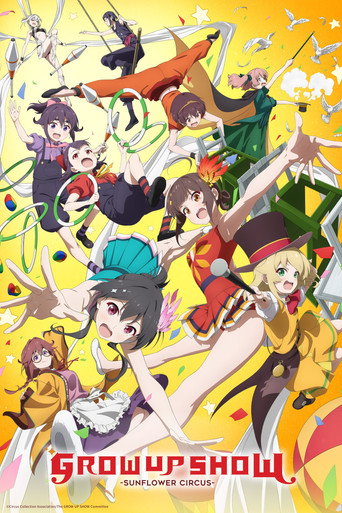 TVEp 13Grow Up Show
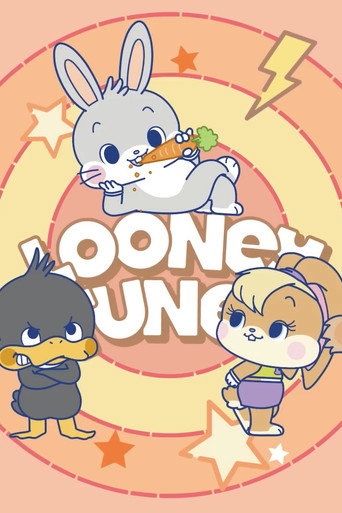 TVEp 4Looney Tunes Gokko
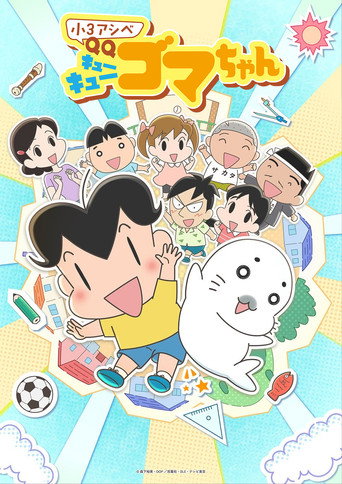 TVEp 6Shou 3 Ashibe QQ Goma-chan
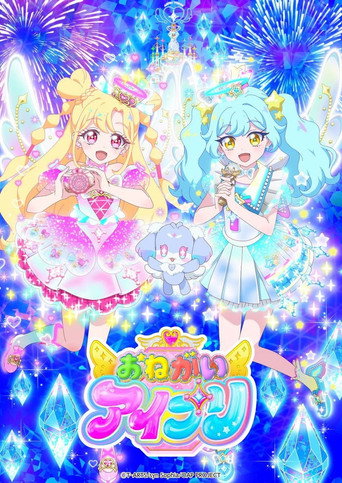 TVEp 26Onegai AiPri
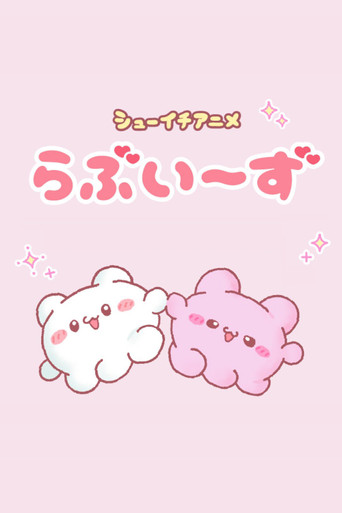 TVEp 50Loveez
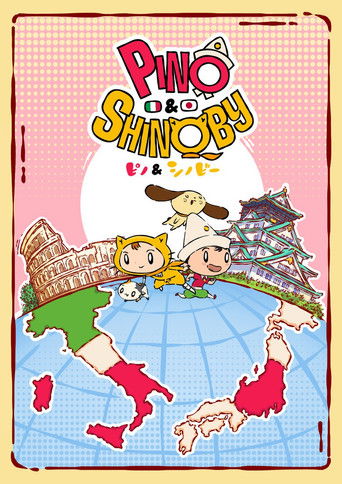 TVEp 26Pino & Shinoby
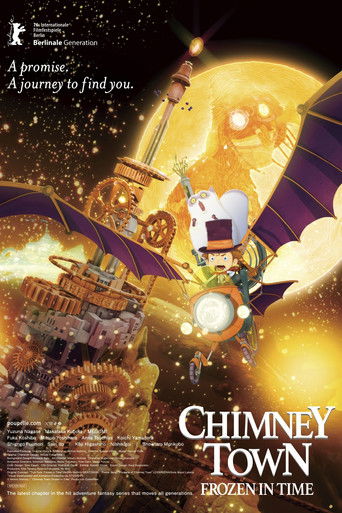 MovieChimney Town: Frozen in Time
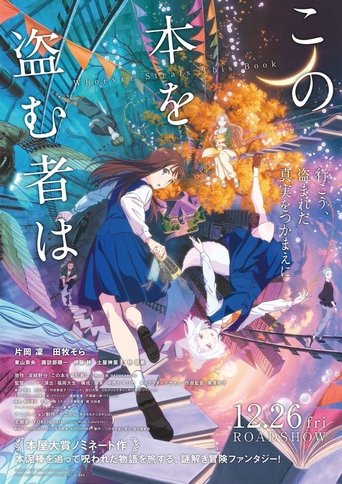 MovieWhoever Steals This Book
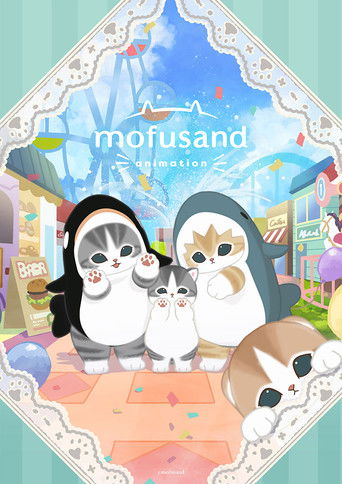 TVEp 38mofusand the animation
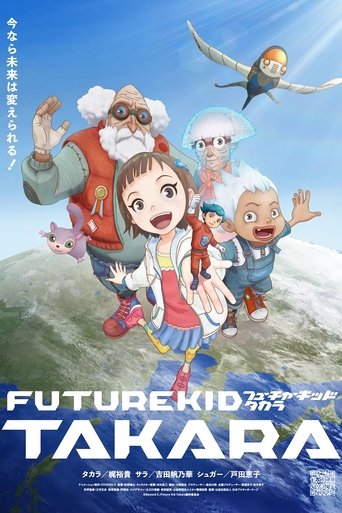 TVEp 11FUTURE KID TAKARA
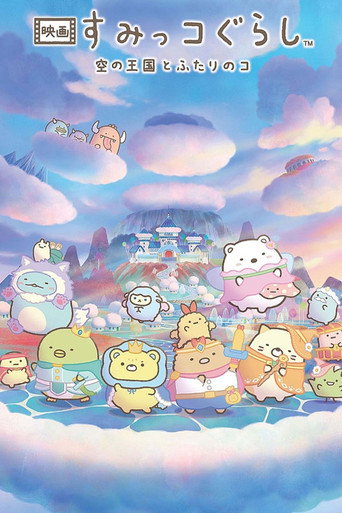 MovieSumikko Gurashi: The Sky Kingdom and Two Children
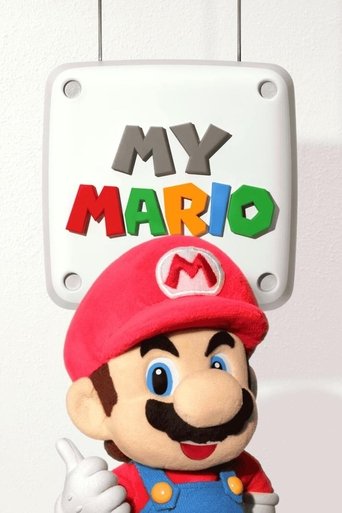 TVEp 7It's Me, Mario!
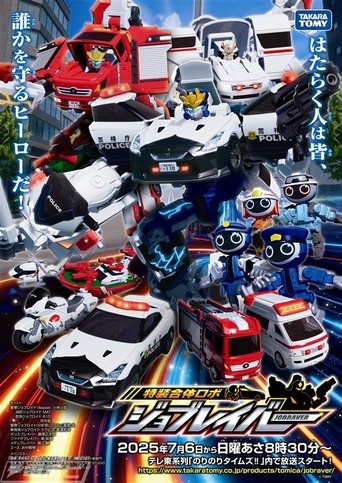 TVEp 25Tomica Heroes Jobraver: Tokusou Gattai Robo
 MovieSUGAR SUGAR RUNE Les deux sorcières
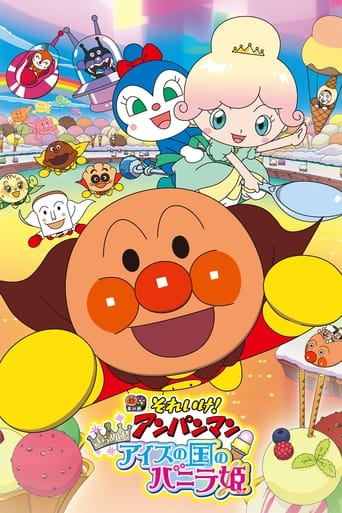 MovieAnpanman: Twinkle! Princess Vanilla of Ice Cream Land
 MovieGo! Anpanman: The Pyramid of the Rainbow
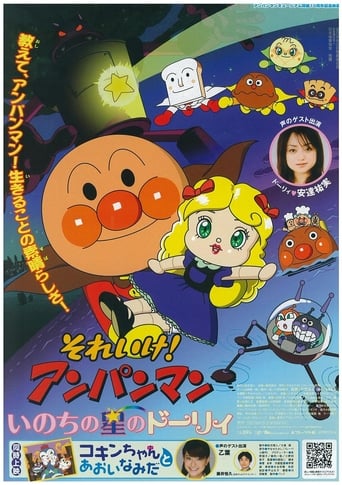 MovieAnpanman: Star-Spirited Dollie
 MovieGo! Anpanman: Baikinman's Counterattack
 MovieGo! Anpanman: Ruby's Wish
 MovieDi Gi Charat: A Trip To The Planet
 MovieTomoyo's Cardcaptor Sakura Video Diary!
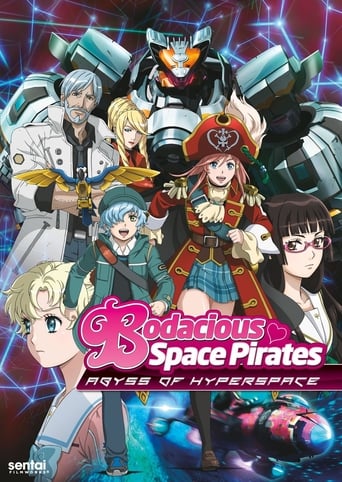 MovieBodacious Space Pirates: Abyss of Hyperspace
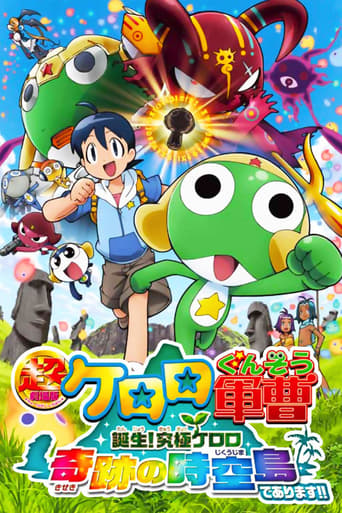 MovieSergeant Keroro The Super Duper Movie 5: Creation! Ultimate Keroro, Wonder Space-Time Island
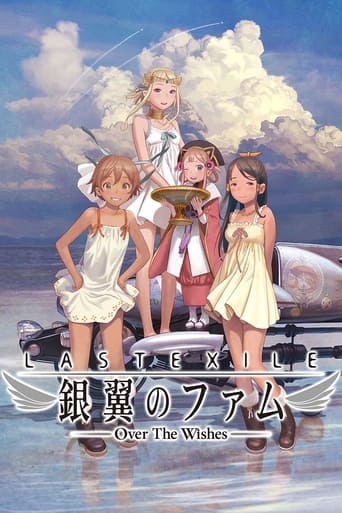 MovieLast Exile: Ginyoku no Fam Movie - Over the Wishes
Japanese cartoons for children: the DoraBash guide
DoraBash: Japanese cartoons for children in English, from Anpanman, Shimajiro, Zorori and Sumikko Gurashi to Tamagotchi, Mirmo, Kimba and Pretty Cure
Japan makes more animation for small children than any other country, and most of it is a well-kept secret. The series that travel abroad are usually the adventures made for teenagers; the gentle films made for five-year-olds, the picture-book heroes, the stop-motion cats and the singing tigers stay at home. That is a pity, because they are some of the kindest and most inventive cartoons made anywhere. DoraBash is an English guide to them: 165 Japanese cartoons for children, 91 films and 74 series, each with its own page, its story in English, its year, its length or its list of episodes, and a Watch now button that leads to the official services carrying it in your country.
The catalogue has been chosen by hand for families. It runs from the picture-book world of Anpanman and Shimajiro, through witches in training, racing robots and heroes borrowed from video games, to quiet films taken from the classics of children's literature. Anime made for older teenagers and adults belongs to other guides; everything here was made with children in mind.
The sections below are a relaxed tour: how the site is laid out, Anpanman and his friends, the little heroes of the picture books, the magical girls, the robots and racers, the worlds of games and toys, the classic stories and a few suggestions by age. Each section links to a short help page, and the How to watch page sums up the simple steps from a poster to the official service.
How DoraBash looks
DoraBash keeps the look of the site it is named after, a fan site built in the style of a modern cartoon channel. A bright blue bar runs across the top of every page. At its left is the logo, a round, smiling face with a red nose beside the name in white and yellow; in the middle is the menu, with links to Home, Movies, Series, Anpanman, Magical Girls, Robots, the A to Z list, Bookmarks and Help; and at the right is a white search box. On a phone, the menu folds into a three-line button.
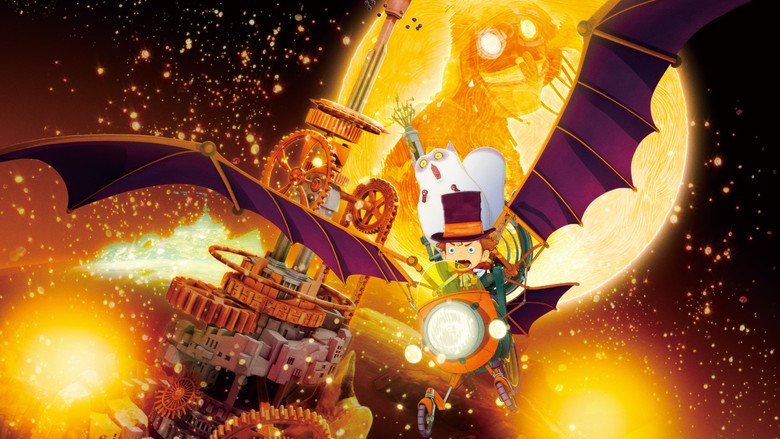
Below the bar, the page turns dark, almost black with a hint of violet, which makes the posters glow. A red notice bar offers a word of welcome to new visitors. Then comes the showpiece, a wide picture from a featured film with the main heading, a line about the catalogue and a blue Watch Now button laid over it, and a column of five small posters down its right-hand side.
The rest of the home page is built from dark panels with a fine line under each title. Popular Today holds ten posters and Latest Release holds fifteen, with a small blue View All button. Every poster carries a little badge at its top right corner, violet for a film and grey for a television series, a red badge at the top left with the number of episodes of a series, and the title in white over a dark band along its lower edge, exactly as on the original site. Under these comes a panel with three blue tabs, Anpanman, Magical girls and Robots, racers and space, each with five posters, and then this guide.
The right-hand column has three panels of its own: Quick Filter, a set of small buttons leading to the shelves, each with its number of titles; Most Popular, a numbered list with small posters, in which the first number sits in a blue square; and Help Pages. The footer is dark, with a blue line along its top. The blue, the dark greys, the badges and the arrangement of the panels were measured from a saved copy of the original site from January 2025; the typeface is the same Fira Sans, and every part of the page works with a keyboard, a screen reader and a small phone screen.
Anpanman
Anpanman is the best-loved character of Japanese children under six. The Anpanman shelf holds twelve of his films, and the Anpanman help page is a short introduction.
Anpanman was created by the writer and illustrator Takashi Yanase, who began drawing him in picture books around 1970; the television series started in 1988 and has run ever since. His head is an anpan, a soft bun filled with sweet red bean paste, baked by the kindly Uncle Jam in a bakery in the woods. He flies about in a red suit and a brown cape, looking for anyone who is lost or hungry, and when he finds a hungry child he breaks off a piece of his own head and gives it away. That leaves him weak, so Uncle Jam bakes a new head, and the dog Cheese and the helper Batako throw it into place. Yanase, who had known hunger as a young man, said that real justice means feeding someone who is hungry.
His opponent is Baikinman, a germ from the Germ Planet who flies a small saucer and builds one ridiculous machine after another, with the bossy Dokin-chan at his side. Baikinman is beaten every time, and he is back the next week. The series has introduced so many characters over the years, most of them named after foods, that it holds a world record for the number of characters in an animated series, and a new film has reached Japanese cinemas almost every summer since 1989.
The films follow a happy pattern. A visitor arrives from a faraway land, a princess or a clumsy young hero with a problem; Baikinman sees a chance to cause trouble; and Anpanman and his friends put things right with courage and a song. In Go! Anpanman: Baikinman's Counterattack, from 1990, the two fight over a magic pot. In Go! Anpanman: The Secret of Tsumiki Castle, from 1992, the friends must rescue a princess and win back an island of building blocks, and in Go! Anpanman: The Pyramid of the Rainbow, from 1997, a prince is turning everyone he meets into pyramids.
Go! Anpanman: The Secret of Roll and Lola's Floating Castle, from 2002, gives the leading part to Rollpanna, the lonely melon-roll girl with two hearts, and Go! Anpanman: Ruby's Wish, from 2003, follows a girl of the northern lights who has been sent away from her home. Anpanman: Star-Spirited Dollie, from 2006, is one of the most admired films of the series: a doll who is given life by a falling star must learn what life is for. Go! Anpanman: Fly! The Handkerchief of Hope was the twenty-fifth film, and Anpanman: Apple Boy and Everyone's Hope, from 2014, follows a boy who dreams of being a hero and gets his chance when a witch casts a spell on his village.
The newer films are just as warm. Anpanman: Nanda and Runda from Star of Toys is about a selfish princess and a kind robot, Go! Anpanman: Bulbul's Big Treasure Hunt Adventure is about a timid lion cub who goes looking for treasure, Anpanman: Shine! Kulun and the Stars of Life begins as everyone prepares for a festival of stars, and Anpanman: Twinkle! Princess Vanilla of Ice Cream Land, from 2019, takes the friends to a castle of ice cream among snowy mountains. Each film lasts about an hour or less, which is exactly right for its audience.
Little friends
Anpanman has plenty of company. The Little friends shelf, with 50 titles, gathers the other small heroes of Japanese childhood, and the Little friends help page picks out the best.
Shimajiro is a tiger cub in a striped jumper who was born in the pages of a learning magazine for pre-school children and has been on television since 1993. With his friends, a rabbit, a parrot and a cat, he learns to share, to say sorry and to brush his teeth. His films are made to be joined in with: children in the audience are invited to clap, to call out and to cheer him on. Shimajiro and Fufu's Great Adventure: Save the Seven-Colored Flower!, from 2013, was the first; Shimajiro and the Song of the Whale is about a baby whale who needs help to find her way home; Shimajiro and the Rainbow Oasis crosses a desert to reunite a little girl with her mother; and Shimajirou the Movie: Great Adventure on Magic Island goes in search of a late spring.
Zorori is a fox in a mask and cape who has made up his mind to be the greatest prankster in the world, to win a castle and to marry a princess. He travels with two devoted wild boars, the twins Ishishi and Noshishi, and his schemes always go wrong in a way that helps somebody. The books by Yutaka Hara are among the best-selling children's books in Japan, and the three films here, Zorori the Naughty Hero: Super Adventure!, Zorori the Naughty Hero: Heroes of Space and Zorori the Naughty Hero: The Secret of Double Z, in which an alarm clock sends him back in time, are full of puns, inventions and silly songs.
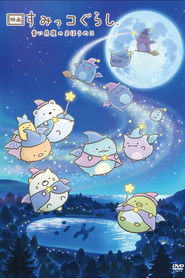
Sumikko Gurashi means life in the corner. Its heroes are a group of shy little creatures who feel most at ease tucked into the corner of a room: a polar bear who dislikes the cold, a penguin who is unsure that he is a penguin, a cat, a small dinosaur who pretends to be a lizard and the left-over end of a pork cutlet. They hardly speak; a narrator tells the story. The films are soft, slow and unexpectedly moving. In Sumikko Gurashi: The Little Wizard in the Blue Moonlight, from 2021, five wizards visit the town on the night of a great blue moon, and the smallest is left behind. Sumikko Gurashi: The Patched-Up Toy Factory in the Woods, from 2023, takes the friends to work in an old factory, and Sumikko Gurashi: The Sky Kingdom and Two Children, from 2025, begins on a rainy day when a prince comes down from the clouds.
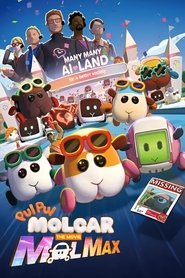
Pui Pui Molcar the Movie: MOLMAX, from 2024, comes from a series of very short stop-motion films about a town where the cars are guinea pigs: round, woolly creatures with wheels, who squeak, eat lettuce and panic in traffic jams. The original shorts, made with felt puppets by the young director Tomoki Misato, became a sensation in 2021, and the film sends the molcars up against a sleek new machine built by a technology company. There is hardly a word of dialogue, so it can be enjoyed in any language.
Stop-motion animation has a special place on this shelf. Komaneko the Stop Motion Movie, from 2006, follows a curious kitten who makes her own puppet films in the attic, with a tenderness that has won admirers around the world. Cheburashka Goes to the Zoo is a Japanese-made short about the little creature with big ears from the classic Russian puppet films, who fills in for his friend, the crocodile Gena, when Gena catches a cold. The Bears' School: Patisserie Jackie and the Sweet of the Sun follows Jackie, the only girl among twelve bear cubs, who must make up for eating everybody's sweets, and Salut&Cumin is about a ship's cook who prepares a feast for a friend.
Many of the smallest series are only a few minutes long. mofusand the animation follows a ginger kitten who likes to dress as a shark; Punirunes and Poccolies are about soft little creatures from the worlds of toys and stickers; Delivery Kitten Unyan is about a tiny kitten on his first job; Tanuki to Kitsune follows a dreamy raccoon dog and a mischievous fox; and Gunma Chan follows a gentle pony, the mascot of a Japanese prefecture, who can calm any quarrel. Kyoro-chan, from 1999, is about a round bird with an enormous beak who was found on a faraway island and travels the world with a kindly professor.
The shelf has room for a few visitors from abroad. Penelope is taken from the French picture books about a small blue koala, Little Twins follows Tiffle and Tuffle, two children in pointed hats on Coracle Island, Nutsberry Town is about an onion, a walnut and a peanut in a quiet country town, Sylvanian Families brings the famous toy animals to life, and Growing Up with Hello Kitty and Pochacco in Jack and the Beanstalk feature two of the best-known characters of the Sanrio company. Hutch the Honeybee, a film from 2010, retells the story of a young bee in search of his mother, first told in a television series forty years earlier.
Magical girls
The magical girl is one of Japan's gifts to children's television: an ordinary schoolgirl who is given a wand, a fairy companion and a secret. The Magical girls shelf holds 25 titles, and the Magical girls help page offers a tour.
Mirmo Zibang!, which began in 2002, is one of the happiest. Kaede, a shy schoolgirl, buys a blue mug in a strange shop, and out of it pops Mirmo, a tiny fairy prince who loves chocolate, plays the maracas to work his spells and has run away from an arranged marriage. Soon every pupil in the class seems to have a fairy of their own. Mewkledreamy, from 2020, made with Sanrio, follows Yume, who finds a violet kitten that has fallen from the sky and can enter people's dreams; together they collect dream stones and deal with the small worries of school life. Onegai AiPri, from 2026, is the newest series on the shelf, about a girl who has just moved to a new town.
Petite Princess Yucie, from 2002, follows a girl who has stopped growing at the age of ten and competes with four friends for a magic tiara that grants one wish. Mysterious Magic Fun Fun Pharmacy, from 1998, is about little Popuri, who moves to a new town and finds that the chemist's shop next door is run by a kindly witch. Kasumin, made for the national broadcaster in 2001, sends a girl to live in a mansion where the household objects are alive, and Chibi Goddess Karin and Magical Meow Meow Taruto, in which the heroines are kittens, are further favourites.
Some of the titles are short extras to famous series. More! Ojamajo Doremi: Secret of the Frog Stone, from 2001, takes the apprentice witch Doremi and her friends to her grandparents' house in the country. Futari wa Precure Splash☆Star: Maji Doki Theater, Pretty Cure All Stars GoGo Dream Live!, Cure Miracle and Mofurun's Magic Lesson and Tropical-Rouge! Precure Petit: Dive in! Collab♡Dance Party! are short pieces from the long-running Pretty Cure series, made to be shown before the main film. Tomoyo's Cardcaptor Sakura Video Diary! is a little film in which Sakura's best friend shares her recordings, and SUGAR SUGAR RUNE Les deux sorcières is a short made for the twentieth anniversary of a popular comic.
The older tradition is represented too. Akko-chan's Secret 3rd Term, from 1998, is the third television version of one of the very first magical-girl stories, about a girl whose magic mirror lets her turn into anyone she likes. Minky Momo: Station of Your Memories and Star Magician Magical Emi: Beautiful Clouds revisit two heroines of the 1980s, Princess Knight is a short film of Osamu Tezuka's story about a princess raised as a prince, and Time Stranger Kyoko: Leave It to Chocola! is a comic episode about a princess who runs away from her own party. The Klutzy Witch: Fuuka and the Dark Witch, from 2023, taken from a popular series of children's novels, follows Fuka, a lively little witch who is training to be as good as her mother, the queen of the Silver Castle.
Robots, racers and space
For children who prefer engines to wands, the Robots, racers and space shelf holds 28 titles, and the Robots, racers and space help page arranges them.
Future GPX Cyber Formula, from 1991, is a classic of motor racing. Fourteen-year-old Hayato Kazami becomes, by accident, the registered driver of Asurada, a racing car with a thinking computer designed by his father, and has to learn to race it against the best in the world. The series is as much about growing up and about friendship between rivals as it is about speed, and it is remembered fondly by a whole generation. Let's & Go! WGP The Great Pursuit of the Berserk Mini 4WD car!, from 1997, is a film about two brothers and their miniature four-wheel-drive racers, a craze of the time, and Crush Gear Nitro and Crash B-Daman are series about boys who battle with spinning machines and marble-shooting toys.
The giant robot has a gentle form made for younger viewers, in which the pilots are schoolchildren. In Matchless Passion Go-Saurer, from 1993, a whole primary school building transforms into a robot, and the pupils of one class are its crew; Matchless Raijin-Oh OVA continues an earlier series of the same family. Hyper Speed Transforming Gyrozetter, from 2012, is about cars that turn into robots and the children chosen to drive them, and the Tomica Heroes Jobraver: Tokusou Gattai Robo and Tomica Heroes Job Labor Special Combined Robot series are built around toy vehicles that stand for the jobs people do, from the fire service to the building site.
Hello WeGo!, from 2019, is a short film with a big heart. In a seaside town, children race small robots that they can sit in and steer; Satoru's robot is an old one, a present from his grandmother, and he is afraid to join in until a classmate invites him to try again. Auto Boy – Carl from Mobile Land is about a little delivery vehicle on an island where all the residents are vehicles, and Go! Go! Vehicle Zoo is set in a town where animals and vehicles live side by side and help each other.
Space and science offer more adventures. Sergeant Keroro The Super Duper Movie 5: Creation! Ultimate Keroro, Wonder Space-Time Island, from 2010, sends the frog-like invaders from the planet Keron, who are far too fond of model kits to conquer anything, to an island of stone statues that look strangely like their leader. Stitch! Perfect Memory is a special from the Japanese series about the mischievous blue alien, who lives on an island of Okinawa in this version. Space Bug follows Mick, a tiny insect left behind on a space station, on his long journey home to Earth; Pikaia sends two researchers back to the seas of the Cambrian age; and Survival in Body shrinks a professor and a boy and sends them on a voyage through the human body.
Older children will enjoy Bodacious Space Pirates: Abyss of Hyperspace, in which Marika, a schoolgirl who is also the licensed captain of a space pirate ship, protects a young passenger with a secret, and the Last Exile film about the sky pirate Fam, a tale of elegant flying machines, which waits on the Movies page. Ultraman Graffiti: Wild! Ultra Country, from 1990, shows the famous giant hero and his monsters as small, round, comic figures leading everyday lives.
Sport belongs on this shelf too. The Prince of Tennis II U-17 WORLD CUP follows Japan's young players at a world tournament, Soccer Fever, made with Italian partners in 1994, tells the history of the World Cup through the memories of an old reporter, Tribe Cool Crew is about Haneru, a schoolboy who loves street dance and forms a team, and Sushi Sumo imagines pieces of sushi as sumo wrestlers.
Game and toy worlds
Many Japanese cartoons begin as something else: a video game, a pocket toy, a card game. The Game and toy worlds shelf holds 24 titles, and the Game and toy worlds help page introduces them.
Super Mario World: Mario & Yoshi's Adventure Land, from 1991, is a curiosity for fans of the famous plumber: an animated story made for a home video system in which Mario and Luigi receive a postcard from Princess Peach and set out to find her, with the dinosaur Yoshi at their side. More than thirty years later, It's Me, Mario! presents him in a series of very short stop-motion films, pulling faces and playing tricks. Pokémon 3D Adventure: Find Mew!, from 2005, follows Pikachu and Meowth in search of a rare and shy creature, and monpoke is a series for babies and toddlers in which Pikachu arrives on an island of gentle friends.
The Tamagotchi, the egg-shaped electronic pet of 1996, has a whole planet of its own on screen. Anime TV de Hakken!! Tamagotchi, from 1997, was the first series; Tamagotchi: Happiest Story in the Universe!, a film from 2008, sends the earnest young inventor Mametchi and his friends into a storybook that is beginning to fall apart; and Tamagotchi! Yume Kira Dream, Tamagotchi! Miracle Friends and Tamagotchi Friends follow their lives at school in Dream Town.
Digimon Adventure-BEYOND-, from 2025, is a short film that looks back on the children who once travelled to the digital world, made for the anniversary of the series. Dragon Quest: The Great Adventure of Dai - Avan's Disciples, from 1992, is a short film from the first animated version of the famous role-playing game, and Legend of the Mystical Ninja, from 1997, brings the comic thief Goemon out of his games and into the real world. Star Fox Zero: The Battle Begins is a short about the space-pilot fox and his team.
Card games have inspired several series. Shadowverse, from 2020, follows Hiro, a cheerful schoolboy who discovers a talent for a digital card game, and Cardfight!! Vanguard Movie: Neon Messiah is a film from the long-running story of friends who play cards together. Driland follows Princess Mikoto, who wants to be a treasure hunter, Beast Saga is about the tribes of land, sea and sky on a distant planet, and Mon Colle Knight: Legendary Fire Dragon comes from a game of collectable monsters.
A few titles come from the worlds of music and performance. The iDOLM@STER Live For You!, Ensemble Stars!! -Road to Show--, CUE!, about sixteen young women who hope to become voice actresses, and Shoujo☆Conte All Starlight are light stories about putting on a show. Looney Tunes Gokko, from 2026, is something new: a Japanese series of shorts with Bugs Bunny, Daffy Duck and Tweety.
Classic stories
Japanese animators have always loved good books, at home and abroad. The Classic stories shelf holds 32 titles, and the Classic stories help page is a short reading list.
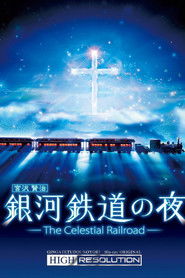
Kenji Miyazawa, a teacher and poet from the north of Japan who died in 1933, wrote stories that every Japanese child knows. The Celestial Railroad, from 2006, is a film made for planetarium domes from his most famous tale, in which two boys ride a steam train through the Milky Way; it is a slow and beautiful journey among the stars, with music to match. The Life of Guskou Budori, from 1994, follows a boy from a family of woodcutters who grows up to study volcanoes and the weather so that farmers will be safe from cold summers.
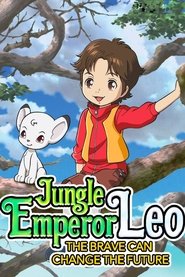
Osamu Tezuka, the father of Japanese comics, is represented by his white lion. Jungle Emperor: Courage Changes the Future, from 2009, made for television to mark the eightieth anniversary of his birth, places the lion cub Leo in a man-made reserve of the future, and Kimba the White Lion: Symphonic Poem, from 1991, tells the old story in pictures set to an orchestral work. Kappa: A River Goblin and Sampei, from 1993, comes from a comic by Shigeru Mizuki, the great teller of folk tales: Sampei, a boy who lives in the country with his grandfather, falls into a river, wakes in the land of the water goblins and makes a friend there.
European children's books have been favourites of Japanese studios since the 1970s. Heidi: Girl of the Alps: Heidi and Clara is a film made from the second half of the celebrated television series of 1974, on which the young Isao Takahata and Hayao Miyazaki worked together; it tells of Heidi's time in Frankfurt and of Clara's visit to the mountains. The Two Lottes, from 1991, is taken from the novel by Erich Kästner: outspoken Luise and shy Lotte meet at a summer camp, discover that they are twins who were separated as babies, and change places to meet the parent each has missed. The Lost 15 Boys: The Big Adventure on Pirates' Island comes from Jules Verne's story of schoolboys cast away in the Pacific, Sinbad - Night at High Noon and the Wonder Gate comes from the Arabian Nights, and Alice in Dreamland is a fresh visit to Wonderland, made with paper-doll figures.
Newer books are here as well. Chimney Town: Frozen in Time, from 2026, returns to the world of a best-selling picture book about a town that has forgotten the sky: young Lubicchi, missing his friend Poupelle, wanders into a place where a tower clock has stopped at one minute to midnight, and must start it again to get home. Whoever Steals This Book, from 2025, is a fantasy about Mifuyu, a girl who cares little for reading although her family keeps a vast library; when books are stolen and an old spell takes hold of the town, she has to enter the stories themselves. Jellyfish Eyes, from 2013, is a film with actors and animated creatures by the artist Takashi Murakami, about a boy who finds that every child in his new village has a strange little companion.
The shelf also holds comedy. Dr. Slump: Arale's Surprise Bang and Dr. Slump: Dr. Mashirito and Abale-chan are short films from Akira Toriyama's comic about Arale, a cheerful robot girl of enormous strength, and the peculiar residents of Penguin Village. Kureshin Paradise! Made in Saitama is a set of short pieces made to accompany a cinema film, Mikan Enikki, from 1992, is a warm series about an orange cat who can talk and the family who take him in, and Animation Runner Kuromi and its sequel are affectionate comedies about a young woman in her first job at a small animation studio, a treat for anyone curious about how cartoons are made. Grow Up Show, from 2026, follows a struggling circus in the Japan of the 1950s.
A handful of original stories round out the shelf. SOS! Tokyo Metro Explorers: The Next follows a ten-year-old who finds his father's childhood notebook and sets off with his friends to explore the tunnels beneath the city. Tomcat's Big Adventure is a feature about a small cat, taken from a children's book, and The Royal Tutor Movie, about four young princes and their very short teacher, and Starlight Promises, about a boy who goes to a festival in the mountains to meet an old friend, are both for slightly older viewers.
Learning with cartoons
Japanese broadcasters take educational television seriously, and several series here are made to teach. The Learning shelf holds 19 titles, and the Learning help page describes them.
Insect Land, from 2022, is based on picture books about nature and follows a group of insect friends through the seasons, with real facts about how each of them lives. Encyclopedia of Pitiful Creatures and Zannenna Ikimono Jiten come from a best-selling children's book about animals with odd and slightly unlucky habits, and they are very funny. Bosanimal is about fluffy, untidy animals, and Pino & Shinoby follows a Japanese child and an Italian boy who make discoveries about everyday life.
Growing Up with Hello Kitty shows Kitty and her twin sister Mimmy learning small lessons from their parents: tidying up, being polite, trying new foods. The long-running series that introduced Shimajiro does the same for the youngest viewers, and it can be found on the Series page under its Japanese title. Agriculture Angel BARAKI is about a farmer's daughter and the food we eat, Proof of Us is a short film made to encourage pupils before their examinations, and UFO Nitsukamatta Kodomo-tachi is a safety film in the form of a science-fiction adventure.
Short films
The Short films shelf holds 36 films of forty-five minutes or less, and the Short films help page explains why they are so useful to parents. A short film fits between supper and bedtime, it suits a child who is new to the cinema, and it is often where animators try their most original ideas.
Dudu the Floatie, from 2012, is a small masterpiece of feeling. Mika's father has promised to take her to the beach, but his work keeps calling him away; one day her inflatable toy, a dugong she has named Dudu, comes to life and carries her off to the sea himself. Bubu & Bubulina is a burst of noisy fun about two sisters, Dream is a wordless short in which a whale carries a sleeping boy to a land where a cheerful cat is waiting, and Afro-Ken is about a happy dog with a rainbow-coloured mop of hair.
Mai's Magic and Family Day is about a schoolgirl who tries to understand her family a little better, Lemon Animation and Salmon-chan are bright, silly comedies, and Di Gi Charat: A Trip To The Planet sends a small princess with cat's ears home for a holiday. Mirage Queen Prefers Circus, from 2022, is a stylish caper about a mysterious thief in an airship and the circus troupe that outwits her.
From the 1990s to today
The catalogue covers thirty-six years, and two shelves divide it by date. The Classics shelf holds 35 cartoons from before 2000, and the Classics help page looks back at them; the New releases shelf holds 45 from 2020 onwards, described on the New releases help page.
The cartoons of the 1990s were drawn and painted by hand, on sheets of clear plastic, and they have a warmth that many viewers miss. Future GPX Cyber Formula, The Two Lottes, Matchless Passion Go-Saurer, Mikan Enikki, Soccer Fever, Kiko-chan's Smile, about a kindergarten girl who is wiser than the adults around her, Legend of the Mystical Ninja, Mysterious Magic Fun Fun Pharmacy and Kyoro-chan all date from that decade, together with the early Anpanman films and the short pieces made for festivals and exhibitions.
From about 2000, studios moved to digital colouring, and then to computer animation and to very short series made for mobile telephones. Mirmo Zibang!, Petite Princess Yucie, Kasumin, Crush Gear Nitro and Komaneko the Stop Motion Movie belong to the first decade of the century, and the Shimajiro and Zorori films to the second. The most recent years have brought a wave of charming miniatures, mofusand the animation, Punirunes, Loveez, Hai! Myakumyaku desu, which stars the red and blue mascot of the 2025 world exposition in Osaka, and FUTURE KID TAKARA, an adventure with a message about looking after the planet, alongside large cinema films such as Chimney Town: Frozen in Time and the three Sumikko Gurashi features.
Choosing by age
Parents often ask which cartoons suit which age, and the Choosing by age help page gives a rough answer. For children up to five, the calm, simple worlds are best: Anpanman, Shimajiro, Sumikko Gurashi, Penelope, Komaneko the Stop Motion Movie, Growing Up with Hello Kitty, Little Twins and Pui Pui Molcar the Movie: MOLMAX. The stories are short, the colours are soft and the endings are always happy.
From six to nine, children enjoy jokes, mischief and a little adventure: Zorori, Mirmo Zibang!, Mewkledreamy, Hello WeGo!, Tamagotchi: Happiest Story in the Universe!, Kyoro-chan, Insect Land, the Dr. Slump shorts and Sergeant Keroro The Super Duper Movie 5: Creation! Ultimate Keroro, Wonder Space-Time Island. From ten upwards, longer stories come into their own: Future GPX Cyber Formula, The Two Lottes, The Lost 15 Boys: The Big Adventure on Pirates' Island, The Life of Guskou Budori, Whoever Steals This Book, Chimney Town: Frozen in Time and Shadowverse.
These are only suggestions. Many of the best children's films, The Celestial Railroad and Dudu the Floatie among them, are enjoyed just as much by the adults in the room, and the story on each title page will help you to judge.
The highest rated
The Top rated shelf gathers the 32 cartoons with the highest ratings from viewers around the world, and the Top rated help page explains how it works. Children's films from Japan are seen by few viewers abroad, so some of the ratings rest on a small number of votes, and the shelf changes as more people discover a title. Treat it as a list of good ideas, and trust your own children as the final judges.
A few titles appear on it year after year: The Celestial Railroad, Future GPX Cyber Formula, Mirmo Zibang!, the Sumikko Gurashi films and several of the Anpanman adventures. They have in common a certain gentleness, and a respect for the intelligence of a young audience.
Finding a cartoon
There are several ways to find a cartoon on DoraBash, and the Finding titles help page describes each one. The search box in the blue bar accepts a title or the name of a character and shows matching cartoons as you type. The Movies page lists all 91 films and the Series page all 74 series, most popular first; the A to Z page lists everything in alphabetical order; and the Quick Filter panel on the home page leads to the themed shelves.
Japanese titles reach English in more than one form. Some cartoons are listed under a translated name, such as The Celestial Railroad or The Two Lottes; some keep their Japanese name, such as Mikan Enikki or Tanuki to Kitsune; and some mix the two. Typing the name of the main character, Anpanman, Zorori, Shimajiro or Mametchi, is usually the quickest way to gather all the titles of a series, and each title page shows the original Japanese title beside the English one.
What a title page shows
Every cartoon has a page of its own. A film page shows the poster, the title in English and Japanese, the year, the running time and the rating, followed by the story, the genres and the names of the director and the voice cast. A series page adds the seasons and, for most series, a list of episodes with the date each was first shown, so you can see at a glance how long a series is.
The Watch now button opens a list of the official services that carry the cartoon in your country, with a note of whether each offers it to subscribers, free with advertisements, or to rent or buy. Japanese cartoons for small children are spread across many services, and some are offered free on the official channels of the studios; availability differs from country to country, so the list on each page is the place to look. The page also says which languages a service offers. Several of these cartoons have been dubbed into English, Hindi and other languages, and many are easy to follow with subtitles, since the stories are simple and a few of the best have hardly any words at all.
Each title page has a button for saving the cartoon. One press adds it to your Bookmarks, a private list held inside your own browser with neither an account nor a password to remember, and the Bookmarks link in the blue bar opens it again on any later visit from the same device. The Bookmarks help page explains how to add and remove titles and how to move the list to a tablet or a second computer. Many families keep one list for each child, on the device that child uses.
Ideas for family evenings
For a first evening, choose something that everyone can share. Pui Pui Molcar the Movie: MOLMAX needs neither reading nor translation, and the youngest and oldest members of the family will laugh at the same moments. Follow it another day with Sumikko Gurashi: The Little Wizard in the Blue Moonlight, which is as soothing as a bedtime story, and then with an Anpanman film, perhaps Anpanman: Star-Spirited Dollie.
For a rainy weekend, try a small festival of short films: Komaneko the Stop Motion Movie, Dudu the Floatie, Cheburashka Goes to the Zoo, Hello WeGo! and Dream, with a pause for a snack between them. For a child who loves stories, read a chapter of Heidi or of Jules Verne and then watch Heidi: Girl of the Alps: Heidi and Clara or The Lost 15 Boys: The Big Adventure on Pirates' Island. For a child who loves animals, combine Insect Land, Encyclopedia of Pitiful Creatures and Jungle Emperor: Courage Changes the Future.
A series is a different pleasure, a few minutes each day over several weeks. Mirmo Zibang! and Mewkledreamy are ideal for this, with short, self-contained episodes, and Future GPX Cyber Formula will keep an older child waiting eagerly for the next race.
The people who make them
It helps to know a few of the names behind these cartoons. Takashi Yanase, the creator of Anpanman, was a poet, songwriter and illustrator who found fame in his sixties and went on drawing until he was ninety-four. Osamu Tezuka, who drew Kimba and Princess Knight, founded the first studio to make animated series for Japanese television. Kenji Miyazawa wrote the tales behind The Celestial Railroad and The Life of Guskou Budori in the 1920s, and Shigeru Mizuki, the author of Kappa: A River Goblin and Sampei, spent a long life collecting the goblins and spirits of Japanese folklore.
Among the studios, Toei Animation makes the Pretty Cure and Ojamajo Doremi series and has a cat in boots as its mascot, the cat who appears in Dream. Sunrise made Future GPX Cyber Formula, Matchless Passion Go-Saurer and Crush Gear Nitro; Tezuka Productions keeps its founder's characters alive; and Sanrio and San-X, companies better known for stationery and soft toys, are behind Hello Kitty, Pochacco, Mewkledreamy and Sumikko Gurashi. Small studios devoted to puppets and felt, such as the makers of Komaneko and the molcars, carry on a craft tradition that goes back a century.
The voices matter as well. Japanese voice actors are stars in their own country, and children recognise them as readily as film actors. Keiko Toda has been the voice of Anpanman since the first episode in 1988, and the narrators of the Sumikko Gurashi films are well-known actors who read the story as if from a picture book.
How the catalogue is kept
Every title on DoraBash has been checked by a person. The story, the age rating and the reviews of each cartoon are read before it is given a place, and anything made for older teenagers or adults is left out, however popular it may be. The English descriptions are kept short and plain so that an older child can read them alone; the years, running times and episode lists are compared with the public film and television databases; and the posters are the official ones. The shelves and the lists on the home page are rebuilt each time the catalogue is refreshed.
DoraBash is a guide, pure and simple. It keeps neither films nor episodes; the Watch now button sends you to an official, licensed service, which means that every viewing helps the studios and artists who make cartoons for children to go on making them.
Questions and answers
Questions
What is DoraBash?
DoraBash is an English guide to 165 Japanese cartoons for children, 91 films and 74 series. Each has a page with its story, year, length or episodes, and a Watch now button that leads to the official services carrying it in your country.
Which cartoons are best for very young children?
Anpanman, Shimajiro, Sumikko Gurashi, Penelope and Komaneko are calm, short and simple. The Choosing by age help page gives suggestions for older children too.
Is everything suitable for children?
Yes. Every title is chosen by hand for children and families, and anime made for older teenagers and adults is left out. The story on each title page helps you judge what suits your own child.
Are the cartoons dubbed or subtitled?
It depends on the service and the country. Several are dubbed into English, Hindi and other languages, and others are offered with subtitles. A few, such as the molcar film, have hardly any words at all.
How long are the films?
Many are short. The Short films shelf holds 36 films of forty-five minutes or less, and most Anpanman films last about an hour.
Where is the famous blue robot cat?
His films are listed in sister guides devoted to anime. DoraBash gathers the many other Japanese cartoons for children that are harder to find in English.
How do Bookmarks work?
Press the button on a title page to save the cartoon. Your Bookmarks are kept in your own browser, free of charge, and the link in the blue bar opens them.
Does DoraBash host cartoons or downloads?
DoraBash is a guide only. Every Watch now button leads to an official, licensed service.
